

(click here for last week's ATD)
Question from the Community:
"What kind of RPG elements will we see in IM?"
-
Fantastic question and I will do my best to keep this to the point and as short as possible.
But before I outline the intended role-playing mechanics in Interstellar Marines, I need to pay homage and respect to two of the best FPS games ever made; System Shock 2 and Deus Ex (Thanks Ken and Warren + teams). Both of these games raised the bar significantly (10 years ago) for what we (Nicolai and I) could/would expect from FPS games with their introduction of exciting and meaningful role-playing elements into the first person formula. Both games made us think differently about IM at a time when everybody else was gun and running (including us) in other more popular games such as Unreal Tournament, Medal of honor and Half-life (all great games btw). Fact of the matter is that since SS2 and Deus Ex we've deeply missed role-playing in FPS games and today we're just glad that we get to change that with IM.

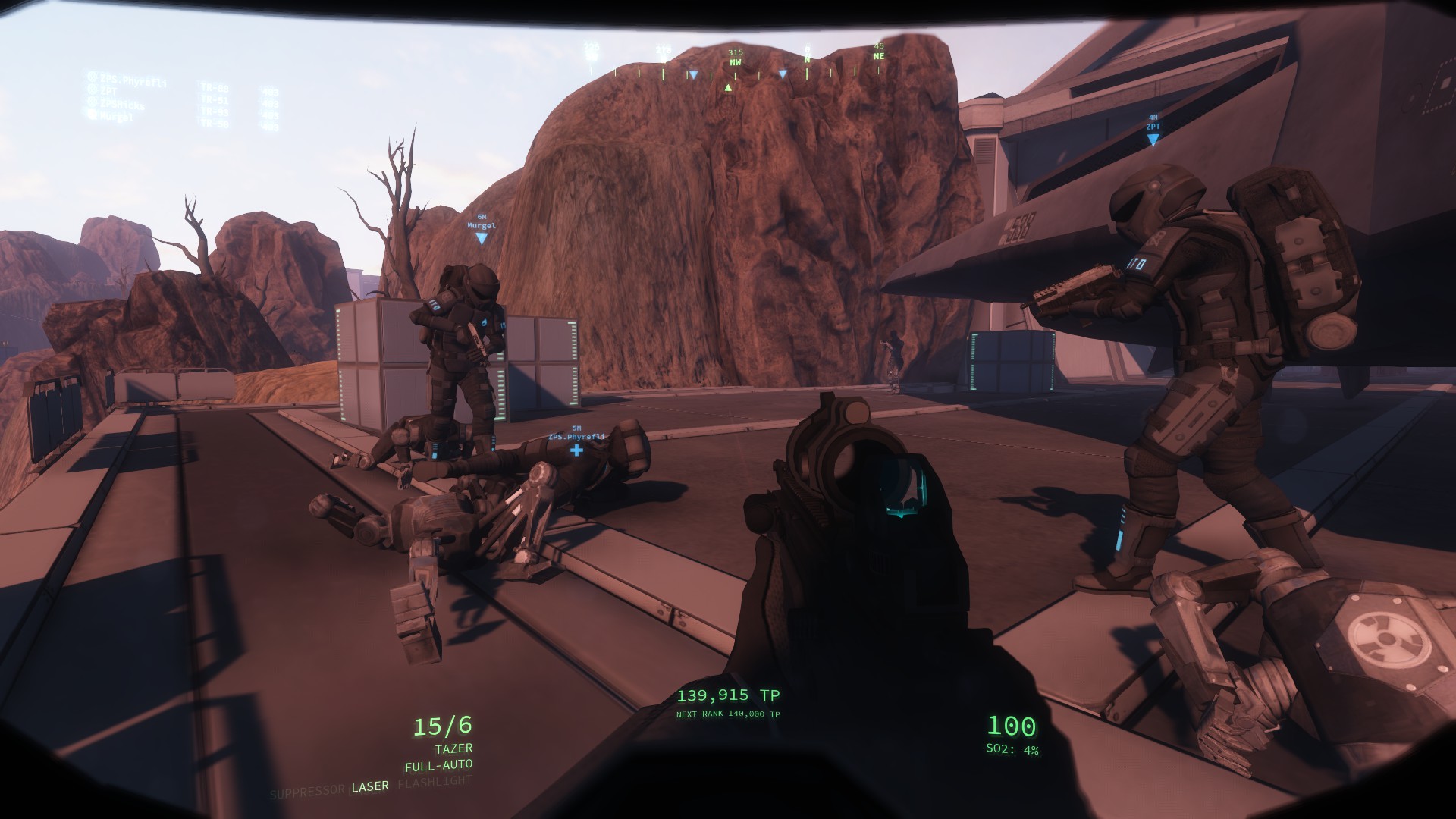
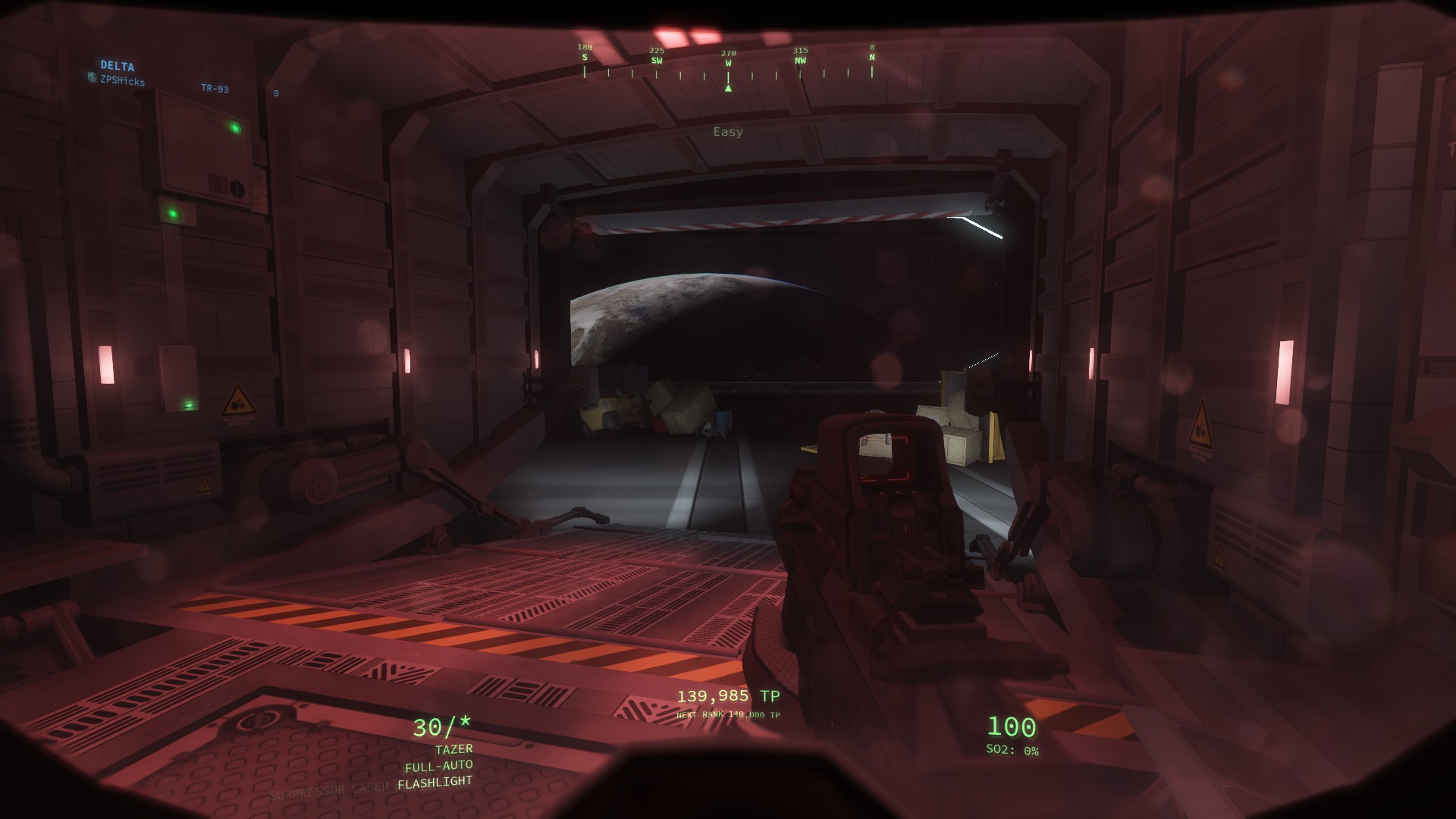
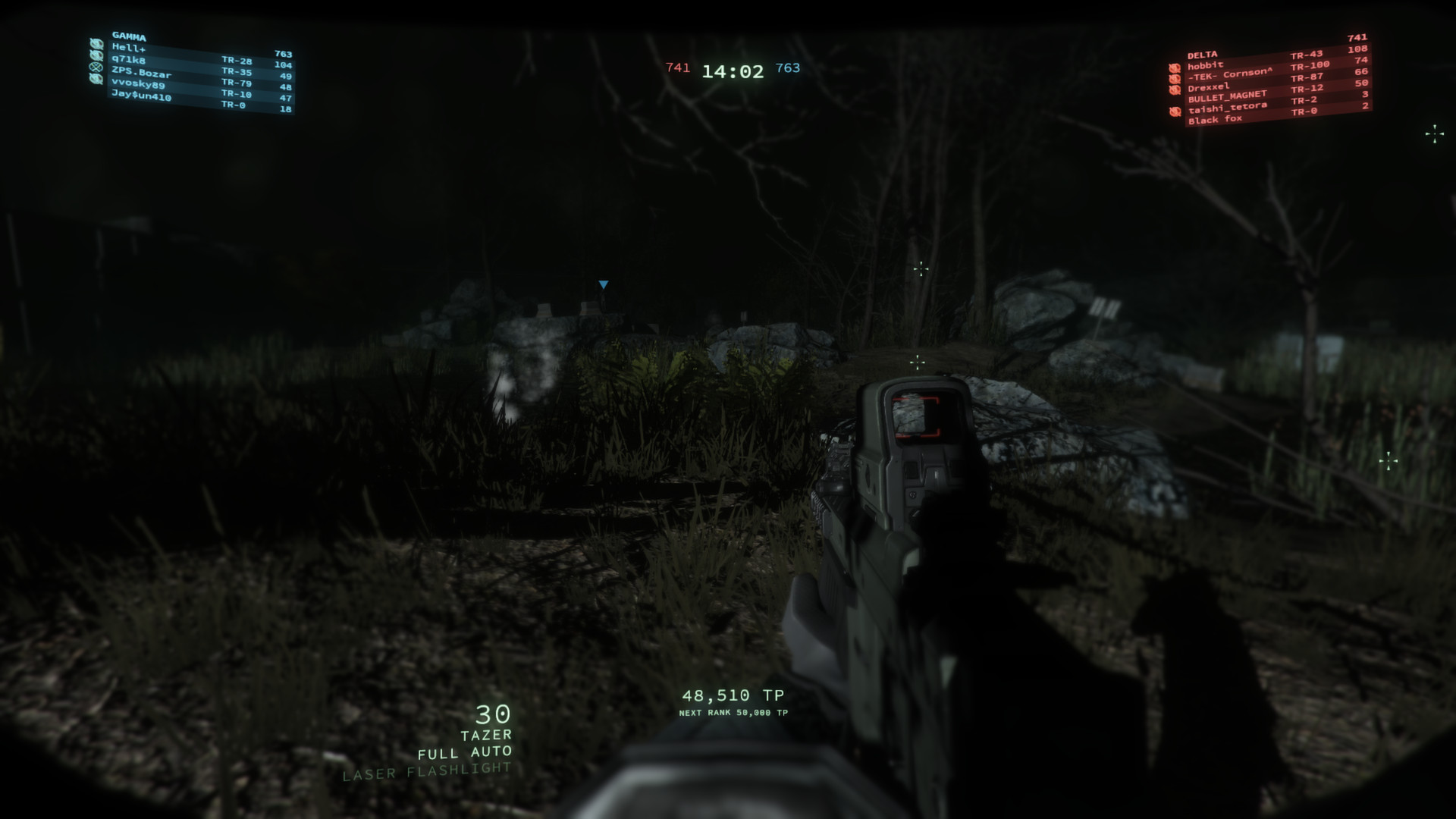
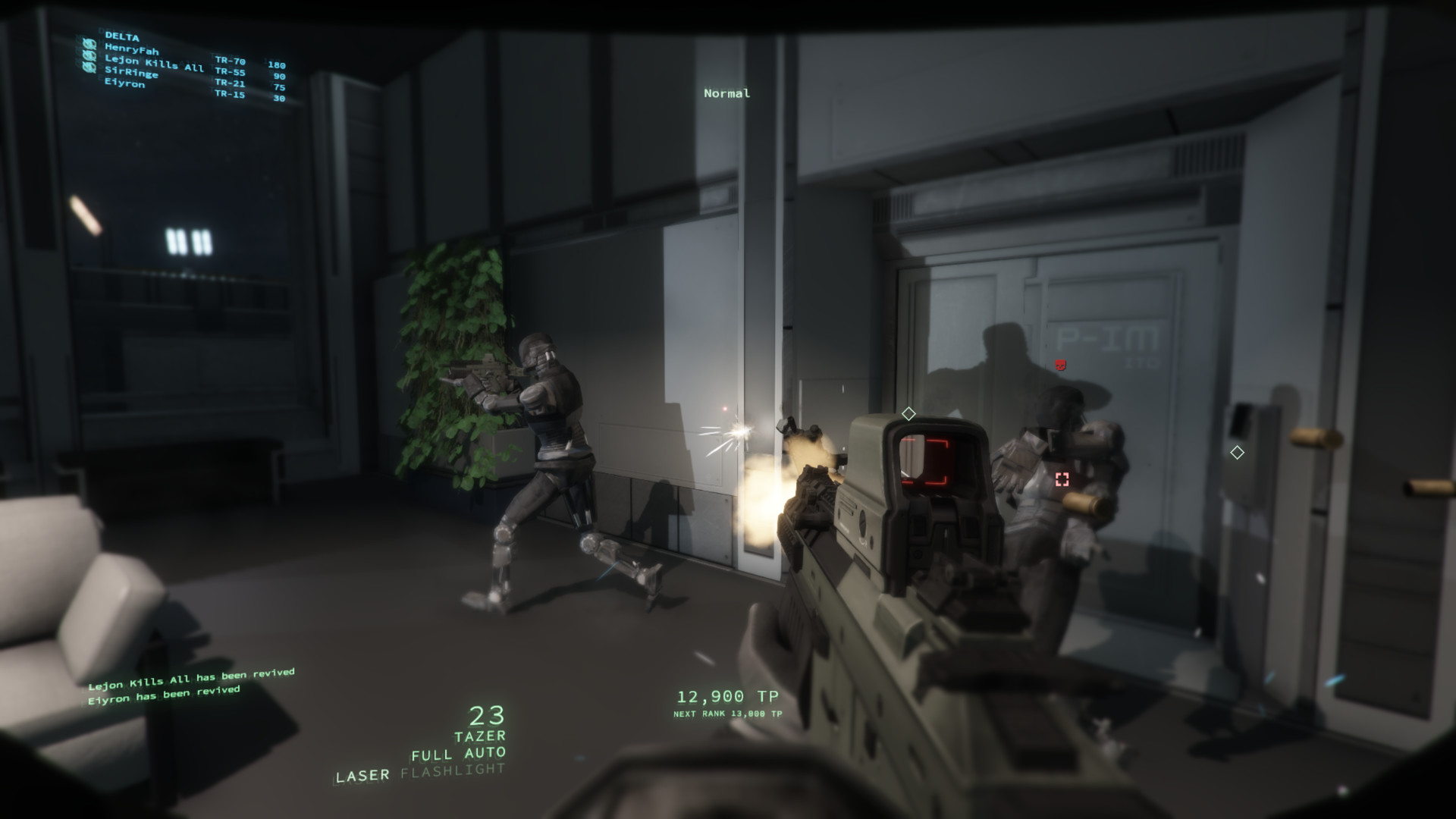
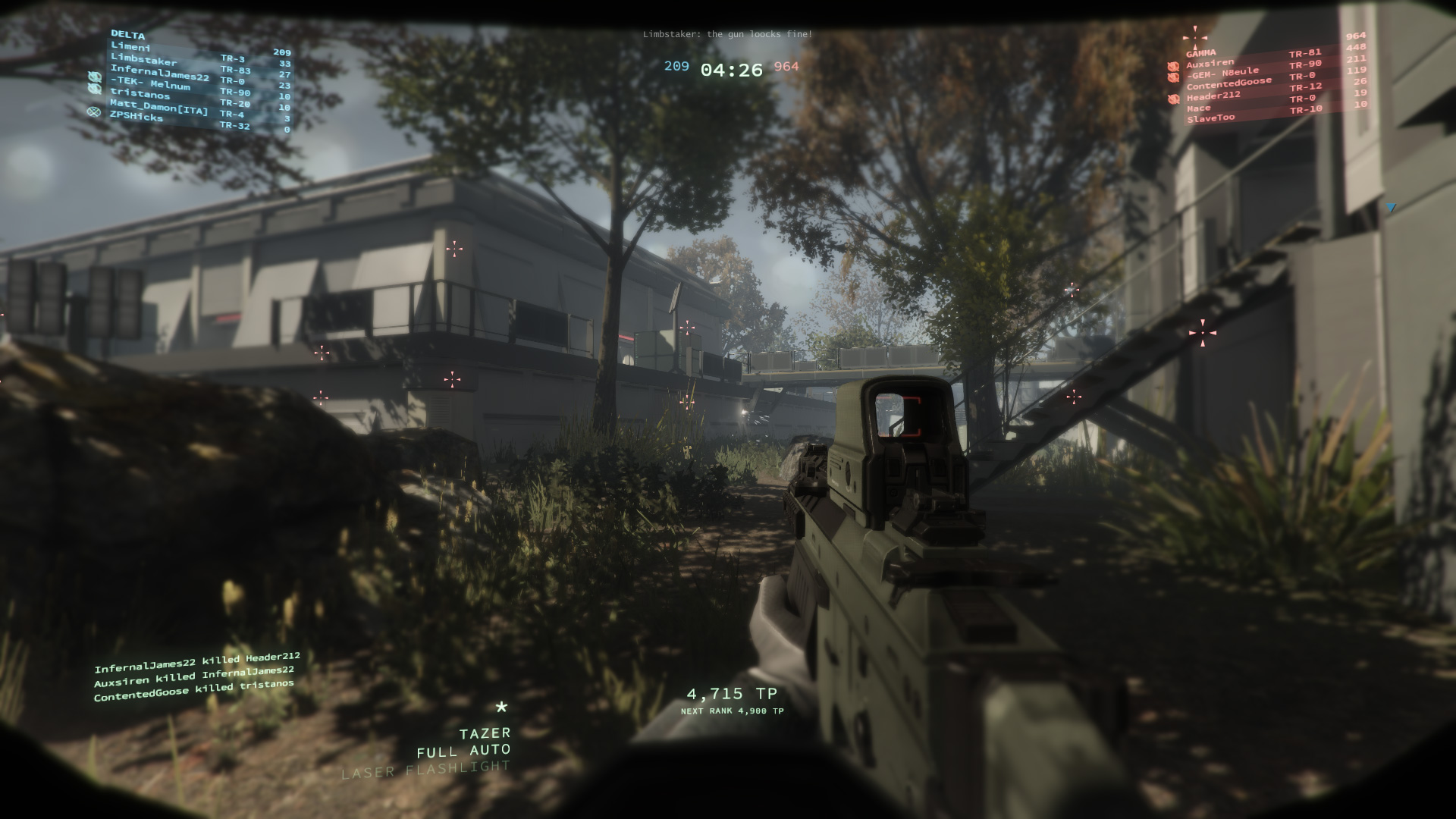
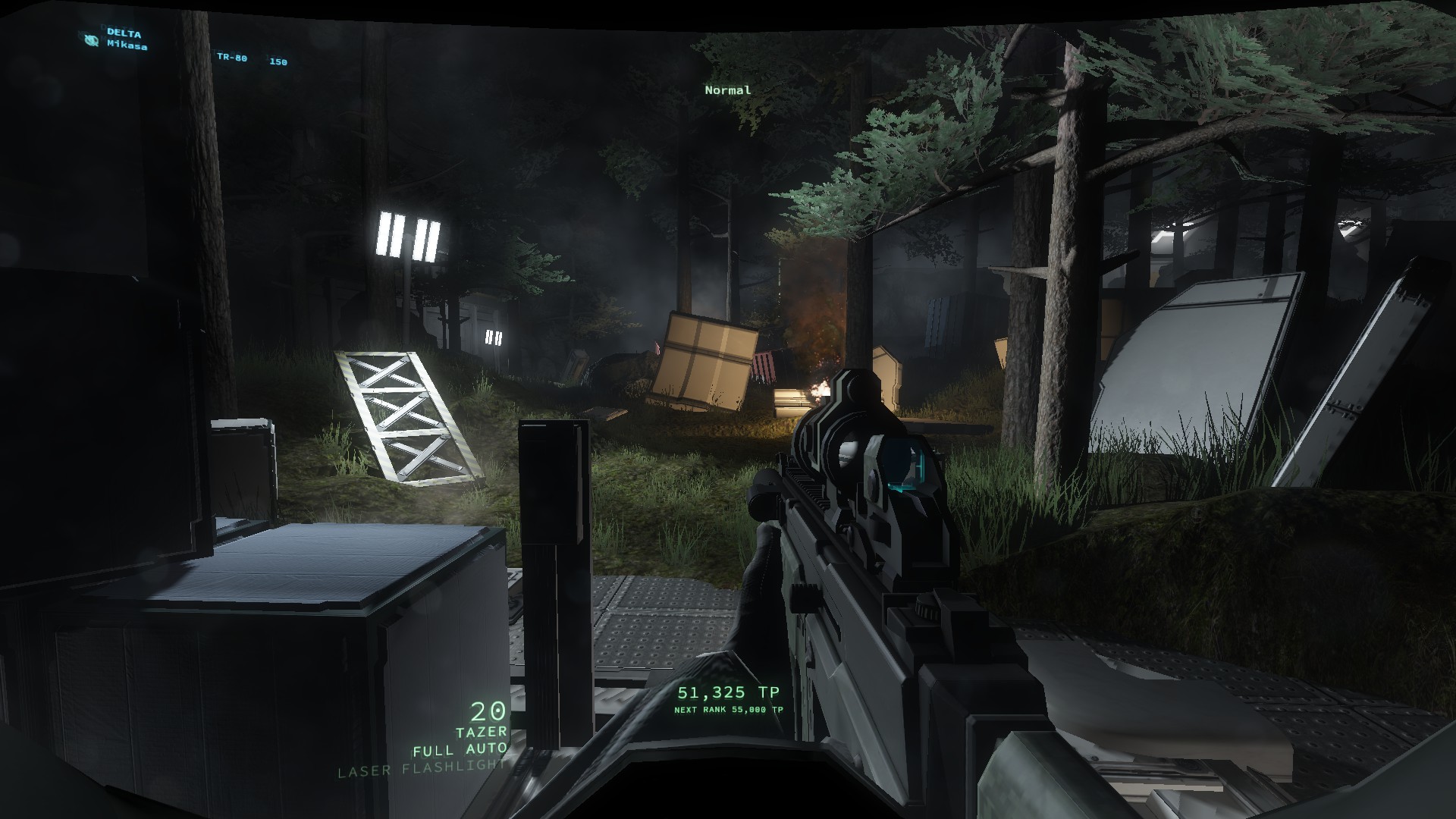
In IM you're consistently rewarded experience points for everything you do like kills, exploration, completing objectives, utilizing abilities etc. with the amount of experience earned never favoring any particular tactics or playing style (Its a challenge we know). How will this work in coop, well we're relying on an XP system that favors solidarity with experience earned by one is rewarded to all equally. This may come off as unrealistically and illogically, but helps ensure that no one gets left behind. (Worked great in Borderlands with a few exceptions)
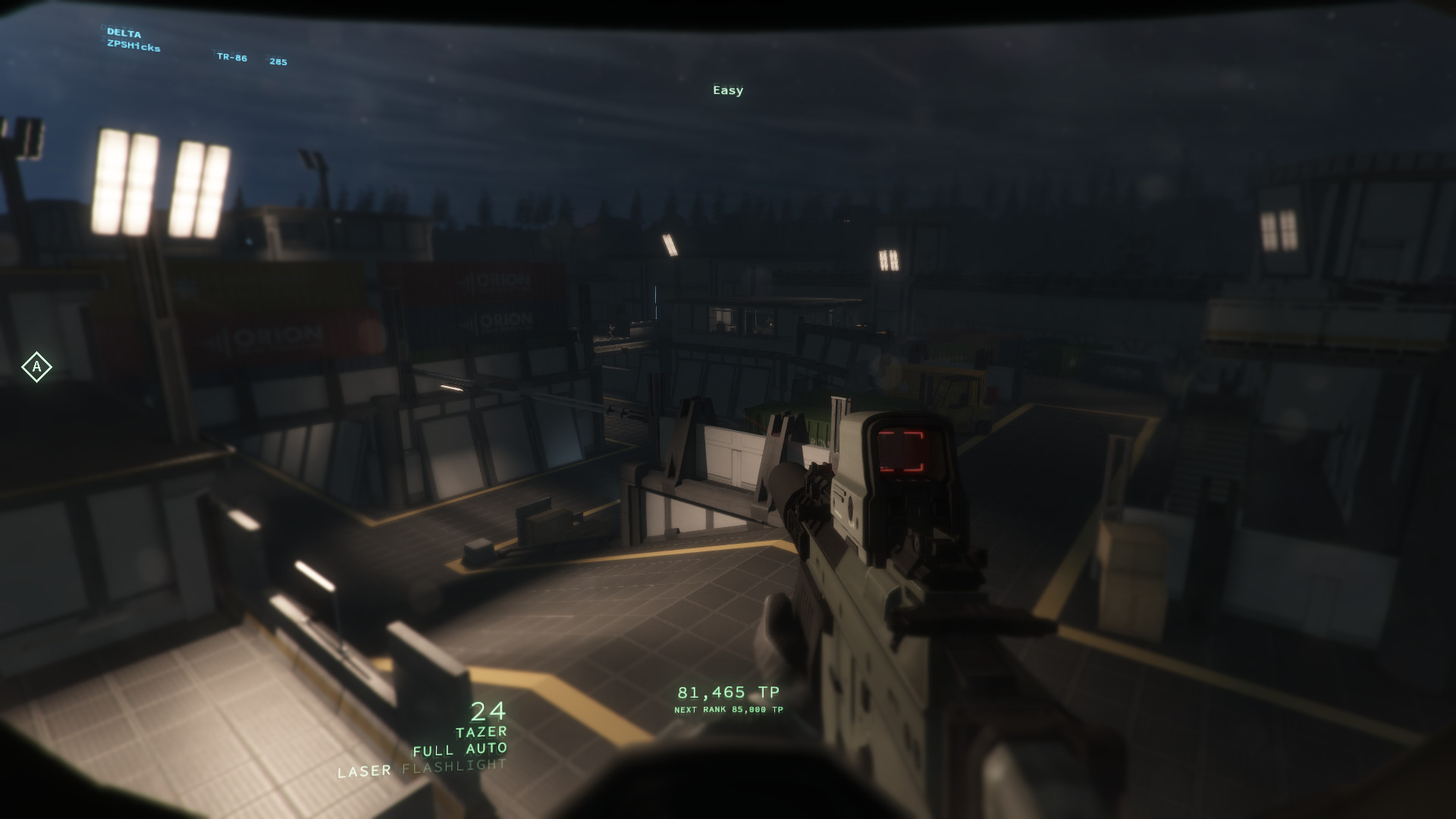
Spending XP is possible anytime during the game in three different training categories: Character, Weapons and Equipment with your overall level and rank automatically determined by the total amount of experience earned, nothing new under the sun here.
Each training category is separate "shops" filled with upgradeable "products". There is no restrictions regarding purchase of these products other than fixed prices that balance products against each other. There is no interdependencies between products and you decide which product to buy first and last and how much you want to upgrade each product. At the beginning of the game selected "products" in each of the three categories/shops are available default.
The Character shop consists of upgradeable "products" such as Strength which e.g. modifies melee damage and throwing range of grenades, Agility which modifies movement speed and falling damage, Stealth which modifies sound of movement- and stealth abilities (silent reload), Stamina/Endurance which modifies sprint duration, Health which modifies med-kit efficiency and deadly wounded time as well as products such as suit weapon slots (quick swappable), backpack weapon- and equipment slots, backpack ammo slots etc.
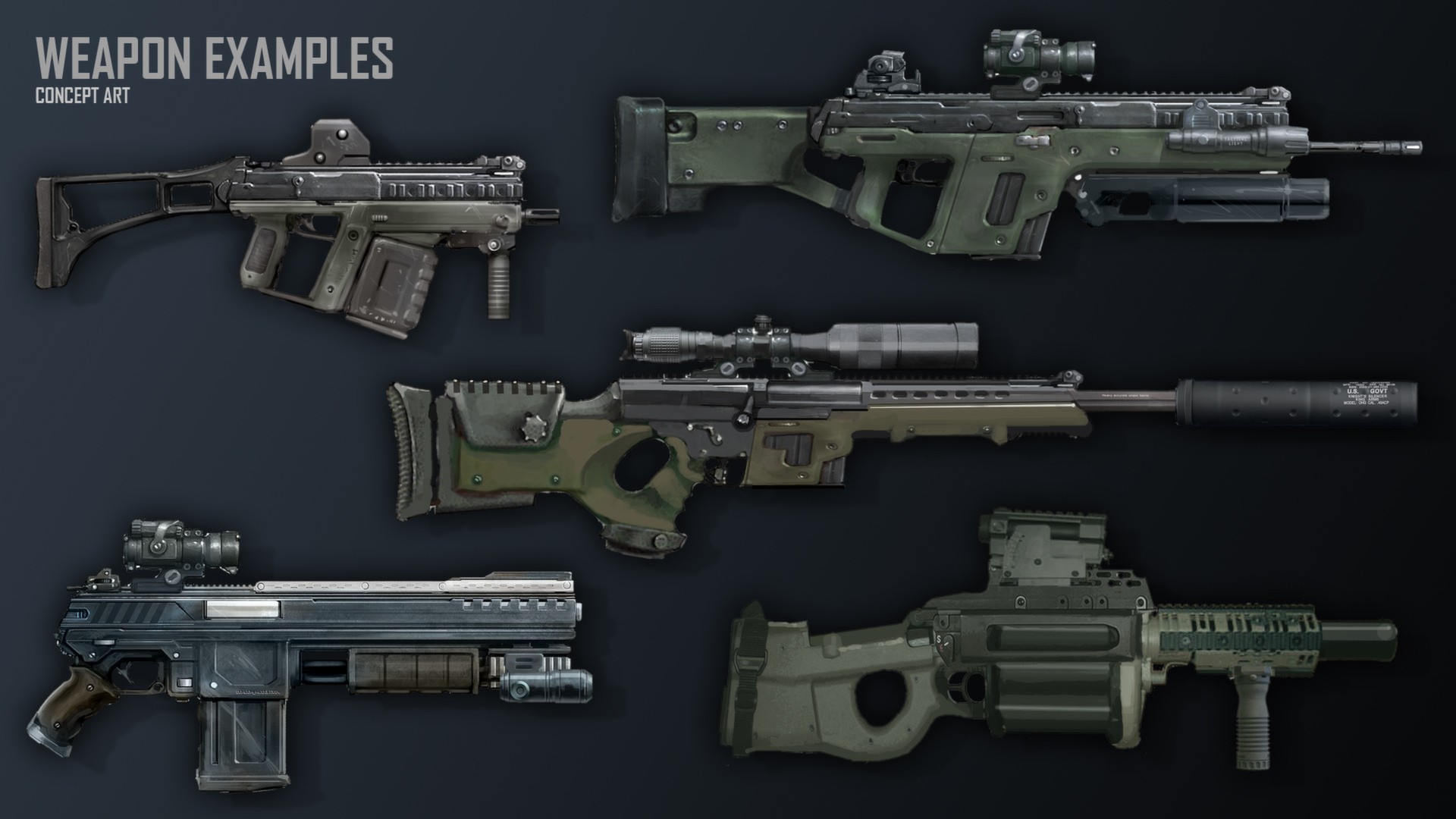
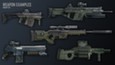
The Weapon shop holds the entire ITO weapon arsenal (7 weapon types in 3 variants) with some weapon types and variants available default and with the rest of the arsenal "purchased-able". Each weapon variant in each of the 7 weapon types has to be "trained" separately to increase accuracy, swap speed, reload speed etc. with extensions and ammunition types being "purchased" separately within each weapon type. This basically means that if you've purchased armor-piercing capability or Red-dot for one SMG .. these are available for all SMG's etc.
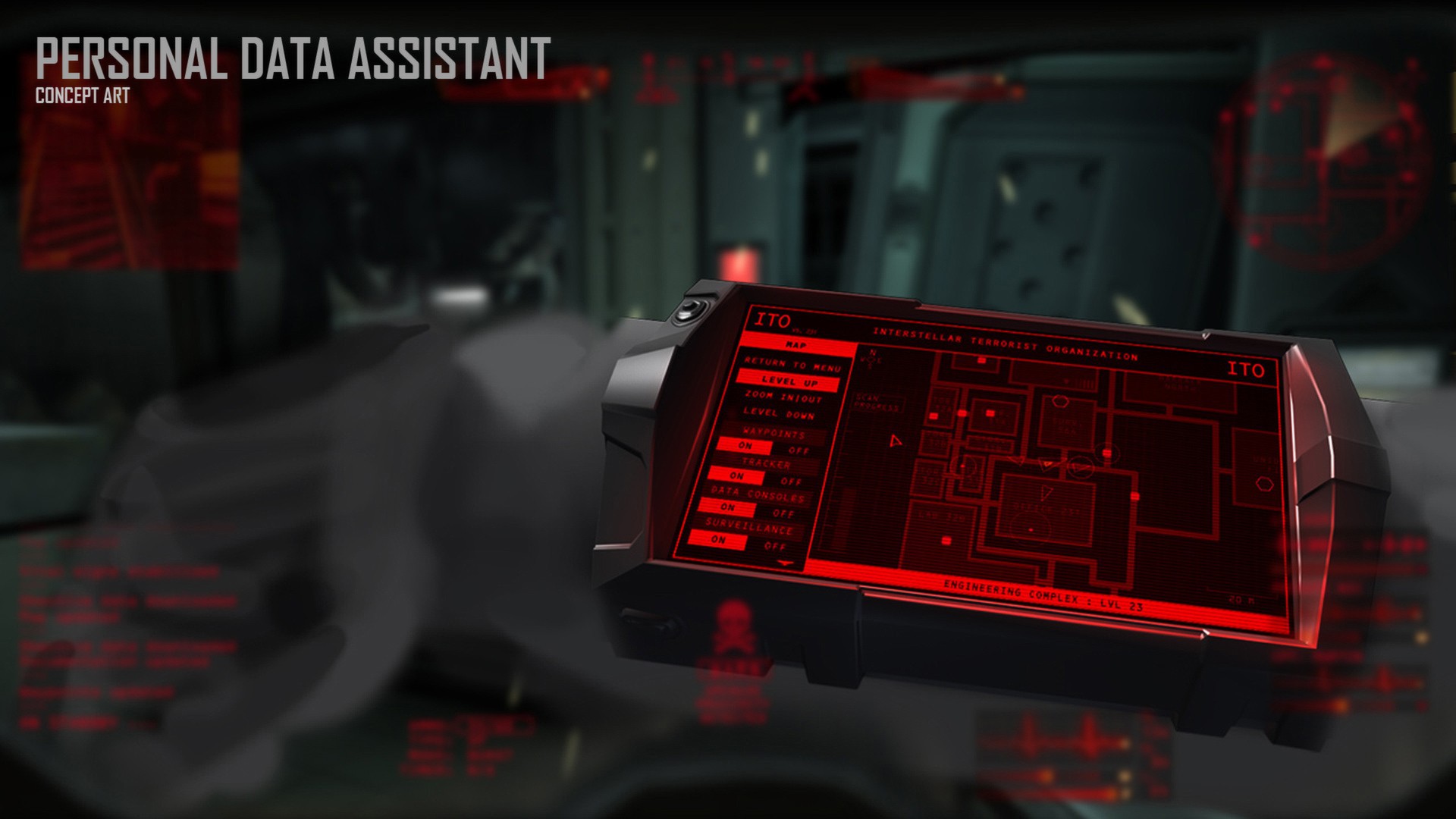
The Equipment shop holds "products" such as armor-wests, helmet visor enhancements, hacking devices, PDA map computer, motion tracker, sentry unit, defibrillator etc. and most of these product are upgradeable to modify range, speed, damage, effectiveness etc. in context to each particular equipment variant and type.
When this is said on done, I want to highlight other areas of depth that the role-playing mechanics in IM maintains like replay-ability and difficulty. The natural length of each game in the trilogy is estimated at between 8-14 hours depending on your pace and urge for exploration, and there is a very important reason for this; Coop! We're favoring high intensity entertainment that you can play and conclude with your friends over a weekend instead of a week. Making "shorter" games allows us to focus more energy into creating meaningful replay-value with depth and alternate realities.
Like e.g. in the beginning of the game you might find armored support behind a hackable door that you where not skillfully enough to access in your first play-though etc. to things like helping a trapped scientist early in the game resulting in helpful consequences later in the game etc. as well as multiple ending and transitions between progress in the game based on how well you perform objectives, your rank etc.
Finally when you reach a certain character rank/level we automatically unlock a special difficulty mode called realistic. This difficulty mode tracks things like number of deaths and effectiveness of you and your team and all goes to exposed these statistics on a special official global leader-board listing the best coop-teams in the world.
Enough!
/ZPSHicks
(Sorry for posting a day late but my fingers are slow and numb from pushing F5 the last couple of days :))